DTE Energy Stock Outlook: Reddit Sentiment, AI Data Centers, and Dividend Potential
Tuesday, October 20, 2026
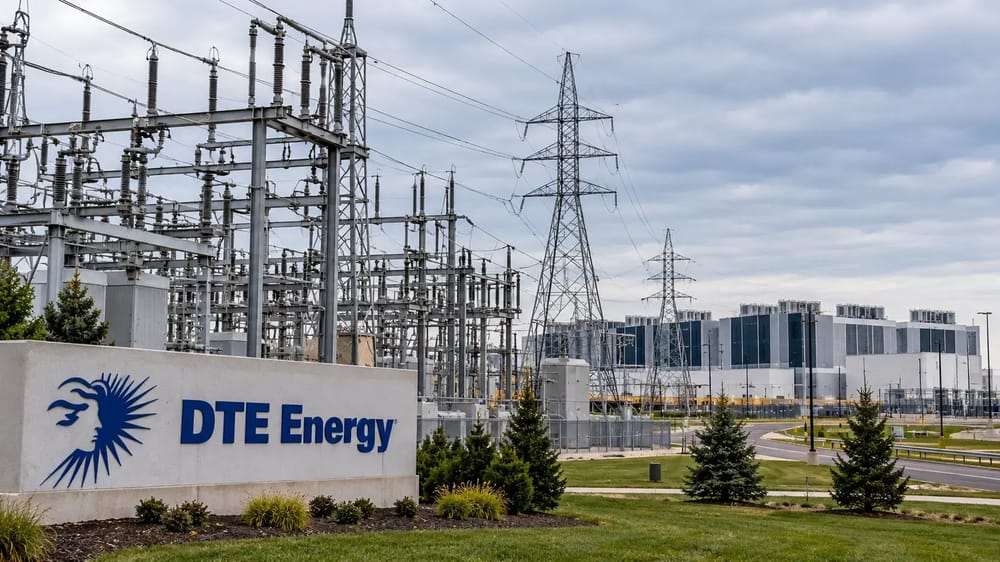
DTE Energy (NYSE: DTE) is an established utility company with a business that extends beyond supplying electricity and natural gas. Its investment story now includes growing power demand, AI data-center development, infrastructure modernization, and a dividend that may interest long-term investors.
Recent Reddit discussions show a mix of options-related activity and general market commentary around DTE. The latest available sentiment snapshot reports a positive overall tone, although discussion volume and engagement have declined. That combination raises an important question: does the conversation reflect a meaningful shift in investor interest, or is the stock's long-term business outlook more important than short-term online sentiment?
To understand DTE Energy stock, it helps to examine the company's financial performance, capital investment plans, data-center opportunities, dividend profile, valuation, and the risks that could affect future returns.
What Is DTE Energy?
DTE Energy is a Detroit-based energy company operating primarily in Michigan. Its businesses include regulated electric and natural gas utilities, energy trading, and non-utility energy solutions.
The company serves approximately 2.3 million electric customers in southeastern Michigan and 1.4 million natural gas customers throughout the state. This established customer base gives DTE a substantial presence in an essential-services industry.
Unlike technology companies whose growth often depends on product adoption or rapidly changing consumer demand, DTE operates in a sector where reliable energy remains necessary for homes, businesses, factories, and digital infrastructure.
However, being a utility does not eliminate investment risk. DTE must maintain its infrastructure, finance major projects, navigate regulatory decisions, and balance its investment plans with customer affordability.
That makes DTE Energy an interesting company to examine from both a traditional utility-investment perspective and the emerging perspective of electricity demand from AI infrastructure.
DTE Energy Stock: Latest Market Performance
DTE Energy shares closed at $126.93 on October 19, 2026, down 2.16% during that session. The decline ended a two-day winning streak, while trading volume reached approximately 1.9 million shares, above the reported 50-day average of 1.6 million.
The stock was approximately 18.5% below its 52-week high of $155.75, recorded on July 7, 2026.
These figures provide context for the stock's recent performance, but a decline from a previous high does not automatically mean a stock is undervalued. Investors need to consider earnings expectations, interest rates, sector conditions, and company-specific developments before drawing conclusions.
For DTE, the broader utility sector also matters. Rising financing costs can weigh on capital-intensive businesses, while growing electricity demand may create opportunities for companies capable of expanding their infrastructure efficiently.
The more useful question is whether DTE's future earnings and cash flows can justify its current valuation.
What Reddit Sentiment Says About DTE
The latest available 24-hour discussion snapshot shows 48 DTE mentions, 96 upvotes, and 43 mentioning users. Reported positive sentiment stands at 70% overall and 71% within WallStreetBets discussions.
However, the snapshot also shows declines of 38% in mentions, 97% in upvotes, and 41% in mentioning users.
The distinction is important. A positive sentiment percentage describes the tone of the captured discussion, while mention counts and upvotes indicate the level of attention and engagement. Neither metric independently measures the number of investors buying shares.
The combination of positive reported sentiment and lower discussion volume suggests that the available conversation is relatively positive but has become quieter.
The sample is also small enough that a limited number of posts can influence the results. It should not be treated as a representative survey of DTE shareholders, institutional investors, or the wider market.
Reddit sentiment can help identify topics investors are discussing, but financial results and company disclosures provide a stronger foundation for evaluating the stock.
What DTE's Options-Related Keywords May Mean
The most frequently captured keywords in the recent WallStreetBets discussion include calls, options, puts, QQQ, DTE, buying, bought, and SPX.
The reported counts are:
- Calls: 10 mentions
- Options: 6 mentions
- Puts: 5 mentions
- QQQ: 4 mentions
- DTE: 3 mentions
- Buying: 3 mentions
- Bought: 3 mentions
- SPX: 2 mentions
- Trades: 2 mentions
- Investors: 2 mentions
The prominence of calls, puts, and options indicates that derivatives-related discussion is part of the conversation.
However, these terms cannot establish the direction of actual options positioning. Calls can be used for bullish speculation, hedging, or complex strategies. Puts can express a bearish view or protect an existing shareholding. A mention of buying or selling also does not necessarily refer to completed transactions.
QQQ and SPX are references to broader market instruments, but without the surrounding posts, their precise relevance to DTE remains uncertain.
To assess options activity properly, investors would need contract expiration dates, strike prices, open interest, trading volume, and information about whether the transactions were opening or closing positions.
The available keyword data therefore provides a useful picture of the discussion's themes, but it does not establish a reliable bullish or bearish trading signal.
AI Data Centers Could Create a New Source of Electricity Demand
One of the most important developments for DTE Energy is the growing need for electricity from data centers.
AI infrastructure relies on large computing facilities that require power for servers, cooling systems, networking equipment, and supporting operations. As demand for computing capacity increases, access to dependable electricity becomes a more significant consideration for technology companies.
DTE has announced arrangements to support major data-center developments in Michigan, including a planned 1.4-gigawatt Oracle project. The company has also discussed additional opportunities associated with data-center growth.
These projects could increase electricity demand within DTE's service territory and create opportunities for related infrastructure investment.
However, planned capacity should not be confused with completed construction, electricity already consumed, or guaranteed revenue. Project schedules, approvals, financing, and actual customer demand all affect the timing and scale of the potential benefits.
Customer protection is another important consideration. DTE says its data-center agreements are designed to ensure that new customers cover the additional costs required to serve them. The company has also described plans to pause future electric rate requests for at least two years as data centers come online, subject to the relevant project and regulatory conditions.
For investors, the opportunity is not simply that AI requires more electricity. The key question is whether DTE can serve this demand while protecting existing customers and earning appropriate returns on the infrastructure it builds.
DTE Energy's Infrastructure Investment Plans
DTE is investing heavily in its electric and natural gas systems to improve reliability, modernize infrastructure, and support changing energy needs.
The company reported investing more than $2.6 billion in its utilities during the first half of 2026. That spending included efforts to strengthen the electric and natural gas infrastructure, improve reliability during extreme weather, and support cleaner energy.
Infrastructure upgrades can benefit a utility over the long term by improving service reliability and preparing the network for additional demand. They can also support future earnings when investments qualify for appropriate regulatory recovery.
The financial trade-off is that infrastructure requires substantial capital. Construction expenses, interest costs, project delays, and regulatory outcomes can influence the returns that shareholders ultimately receive.
Investors should therefore look beyond the headline amount of capital spending. The important measures include execution, financing, debt levels, customer affordability, and the extent to which new investments contribute to sustainable earnings growth.
What DTE's Latest Reported Earnings Tell Us
DTE Energy's second-quarter 2026 results are the latest reported quarterly results available ahead of its scheduled November earnings announcement.
The company reported second-quarter net income of $282 million, or $1.35 per diluted share, compared with $229 million, or $1.10 per diluted share, in the second quarter of 2025.
Operating earnings were $274 million, or $1.32 per diluted share, compared with $283 million, or $1.36 per diluted share, a year earlier.
These measures differ because operating earnings exclude certain items, including specified non-recurring items and mark-to-market adjustments. Investors should avoid comparing the two figures as though they represent the same accounting measure.
DTE's energy trading business helped support its quarterly performance, offsetting weaker results in parts of its electric and gas utility operations.
The company reaffirmed its 2026 operating earnings guidance of $7.59 to $7.73 per diluted share in its second-quarter report.
That guidance provides a useful benchmark for evaluating future performance, but it is not a guarantee. Weather, expenses, regulatory decisions, project timing, and business-segment performance can all affect actual results.
DTE has scheduled its third-quarter 2026 earnings release for November 5, before the market opens. Investors will want to examine any updates to guidance, capital spending, data-center projects, financing needs, and operating performance.
DTE Energy Stock Valuation and Dividend Potential
DTE may appeal to investors who prefer established utility companies and regular dividend income rather than highly speculative growth stocks.
As of the October 16 market-data snapshot, DTE's shares closed at $129.73. Financial statistics available around that date showed a market capitalization of approximately $27 billion, a forward price-to-earnings ratio of about 15.89, and an indicated annual dividend of $4.66 per share, equivalent to a yield of approximately 3.59%.
Because the share price subsequently declined, the indicated yield calculated using the same annual dividend and the October 19 closing price of $126.93 would be approximately 3.67%. These are date-specific estimates, not guaranteed future returns.
The forward P/E ratio is based on expected earnings, which can change as analysts revise their forecasts or the company updates its guidance. Dividend yield also changes with the share price, and future dividend payments remain subject to company decisions and financial conditions.
A sound valuation analysis should compare DTE with similar utilities while examining earnings growth, borrowing costs, capital requirements, debt, and dividend coverage.
The potential attraction is the combination of an established utility business, dividend income, and opportunities associated with electricity demand. The challenge is determining whether those benefits justify the stock's current valuation and financial commitments.
What Could Support DTE Energy Stock?
Several developments could strengthen the investment case for DTE.
First, successful execution of data-center projects could create additional electricity demand and support long-term infrastructure investment.
Second, continued modernization of the electric grid could improve reliability and help prepare the system for changing demand.
Third, the company's earnings guidance provides a benchmark against which investors can evaluate operating performance.
Finally, a sustainable dividend may make DTE relevant to investors seeking a combination of income and measured growth.
These factors remain conditional. Their impact depends on actual demand, project completion, regulatory decisions, financing costs, and the returns generated by new investments.
What Risks Should Investors Watch?
DTE's outlook also comes with several important risks.
Capital spending and financing: Large infrastructure programs require significant funding. Higher interest rates, construction costs, or debt levels could pressure earnings and cash flow.
Regulatory uncertainty: Utility rates, investment recovery, and large-customer arrangements depend partly on regulatory approvals and policy decisions.
Data-center execution: Planned projects may be delayed, modified, or affected by changing customer requirements.
Customer affordability: Electricity prices and the distribution of infrastructure costs remain important policy considerations. DTE must demonstrate that large new customers do not shift their incremental costs onto existing customers.
Operating performance: Weather, maintenance, fuel expenses, and energy trading results can cause quarterly earnings to fluctuate.
Dividend and valuation risk: A dividend yield is not a guarantee of total return, and a lower share price does not by itself prove that a stock is cheap.
Market sentiment: Online discussions can change quickly and may not reflect the company's financial condition or long-term prospects.
Investors should weigh these risks against DTE's earnings outlook, capital plans, and potential growth opportunities.
Is DTE Energy Stock Worth Watching?
DTE Energy offers a different investment story from many of the technology and high-growth stocks frequently discussed on WallStreetBets.
Its established electric and natural gas operations provide a foundation of essential services, while data-center demand and infrastructure investment create potential avenues for growth. Its dividend may also interest investors who value regular income.
At the same time, large capital requirements, financing costs, regulatory exposure, and project execution remain important considerations.
The latest available Reddit snapshot shows positive reported sentiment but declining engagement. That is a useful observation about online discussion, not a reliable buy or sell signal.
The next important checkpoint is DTE's scheduled November 5, 2026, earnings announcement. Updates to earnings guidance, infrastructure investment, data-center projects, and financing plans could help investors assess whether the company's longer-term outlook is developing as expected.
Ultimately, DTE Energy is best evaluated through its earnings, valuation, dividend sustainability, capital allocation, and execution. Online sentiment can add context, but the company's financial performance and disclosures should remain the foundation of any investment decision.
Disclaimer: This article is for informational and educational purposes only and does not constitute financial advice or a recommendation to buy or sell any security. Market prices, valuation measures, dividend yields, and forecasts can change. Readers should verify current information and conduct their own research before making investment decisions.

Smarter Trading Starts With Clarity
A data-driven approach combining advanced AI, behavioral analytics, and institutional-grade insights to help investors make confident, informed decisions in any market condition.
© Copyright 2025 OVTLYR - All rights reserved.
5830 Granite Pkwy, Suite #100, Plano, TX 75024, USA
Contact now at support@ovtlyr.com